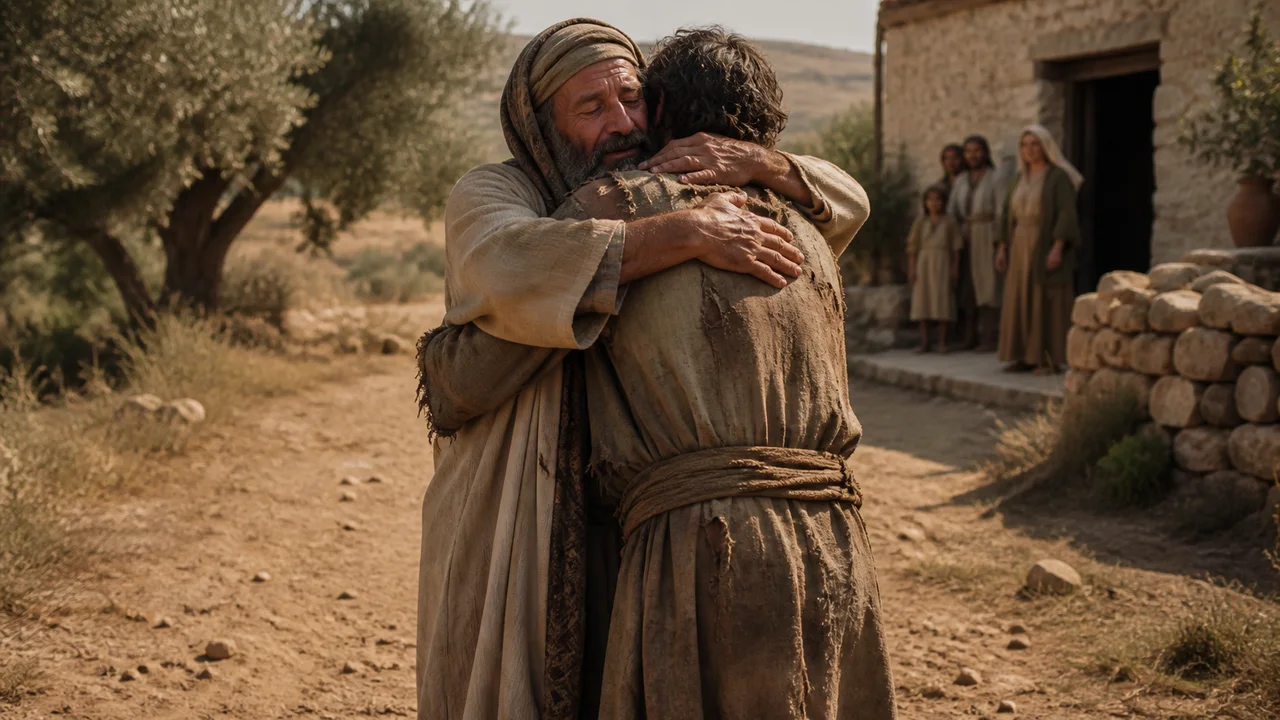
Ephesians 2 explains that salvation is God’s gift, received through faith rather than earned by works. It then shows that grace creates a new life of good works and a new community in which Jewish and Gentile believers are brought near to God and one another through Christ.
The chapter moves through three major changes: from death to life, from condemnation to grace, and from separation to one reconciled people.
The context of Ephesians
Ephesians identifies Paul as its author and addresses “the saints who are at Ephesus,” though some early manuscripts omit the place name, which may indicate the letter circulated among churches in the region.
The first half of the letter emphasizes what God has done in Christ. The second half, beginning in chapter 4, calls believers to live in a way consistent with that grace. This order matters. Christian obedience responds to salvation; it does not purchase it.
Chapter 1 celebrates God’s plan to unite all things in Christ and prays that believers will understand the hope and power of their calling. Chapter 2 shows that power at work in people who could not make themselves spiritually alive.
Dead in trespasses and sins — Ephesians 2:1–3
Paul says his readers were “dead through your trespasses and sins.” Trespass means a violation or false step; sin is the broader reality of falling short of God’s will and rebelling against Him.
“Dead” describes spiritual helplessness and separation, not physical death or the absence of all human ability. These people had been active: they followed the course of the world, the ruler of the power of the air, and disordered desires. Their activity did not produce life with God.
Paul includes himself and fellow Jews by changing from “you” to “we all.” No ethnic or moral group stands above the diagnosis. Humanity shares the need for mercy.
The phrase “children of wrath” points to God’s just judgment against sin. Paul does not treat evil as a minor weakness. The seriousness of the problem makes the next two words especially powerful.
“But God” — Ephesians 2:4–7
Verse four turns the chapter: “But God, being rich in mercy, for his great love with which he loved us…” The subject of salvation is God. The reason is His mercy and love.
While people were dead, God made them alive with Christ, raised them, and seated them with Christ in the heavenly places. The verbs are connected with Jesus’ resurrection and exaltation. Believers share in His new life and victory.
This does not mean Christians have already escaped bodily suffering or literally sit on a heavenly throne in the present. Paul speaks of their secure union and identity with Christ. The full experience of resurrection is still future, but new life has begun.
God’s purpose includes displaying “the exceeding riches of his grace in kindness toward us in Christ Jesus.” Salvation reveals what God is like: rich in mercy, loving, gracious, and kind.
Saved by grace through faith — Ephesians 2:8–9
“For by grace you have been saved through faith, and that not of yourselves; it is the gift of God, not of works, that no one would boast.”
Grace is God’s undeserved favor and generous action. Faith is trust that receives what God gives. Salvation is not a wage paid after adequate religious performance.
The phrase “that not of yourselves; it is the gift of God” emphasizes the whole saving event as God’s gift. Christians debate the precise grammatical reference of “that,” but the main point is not in doubt: boasting is excluded because salvation originates in God, not human achievement.
“Not of works” does not mean actions are unimportant. It means they are not the basis on which salvation is earned. No one arrives before God with a superior résumé.
This protects both the proud and the ashamed. The proud cannot claim credit. The ashamed do not have to become impressive enough before coming to Christ.
Created for good works — Ephesians 2:10
“For we are his workmanship, created in Christ Jesus for good works, which God prepared before that we would walk in them.”
Verse ten prevents a common misunderstanding. Grace does not save people by good works, but it does save them for a life in which good works matter.
“Workmanship” refers to something God has made. New life in Christ is His work. The good actions that follow are fruit, not payment.
Paul uses the language of walking. Earlier, people walked according to the course of this world; now they are to walk in works prepared by God. Grace changes direction.
These works include the practical life described later in Ephesians: truthfulness, honest labor, generosity, forgiveness, sexual integrity, love, family responsibility, unity, and resistance to evil.
Remember your former separation — Ephesians 2:11–12
The second half of the chapter addresses Gentiles—people from the nations outside Israel. They had been called “uncircumcision” by those called “circumcision,” language that carried religious and social division.
Paul says they were separated from Christ, alienated from the commonwealth of Israel, strangers to the covenants of promise, without hope, and without God in the world.
This does not mean God had no concern for Gentiles in the Old Testament. The promise to Abraham always aimed toward blessing the nations. It describes their distance from Israel’s covenant privileges before the gospel reached them.
Paul tells them to remember, not so they remain ashamed, but so they understand the grace of being brought near.
Brought near by the blood of Christ — Ephesians 2:13–18
“But now in Christ Jesus you who once were far off are made near in the blood of Christ.” Jesus’ sacrificial death is the basis of reconciliation.
Christ “is our peace.” Peace here is more than a calm feeling. It is the end of hostility and the creation of a reconciled relationship. Jesus breaks down the dividing wall and creates “one new man” from the two.
The reference to abolishing “the law of commandments contained in ordinances” has been interpreted in different ways. Paul is not saying God’s moral character became irrelevant. In context, Christ removes the law as a boundary that separated Jew and Gentile and as a condemning barrier. Both groups now approach the Father through the one Spirit.
The cross reconciles people vertically to God and horizontally to one another. A church that preaches grace while maintaining proud ethnic hostility contradicts the shape of Ephesians 2.
Citizens, family, and temple — Ephesians 2:19–22
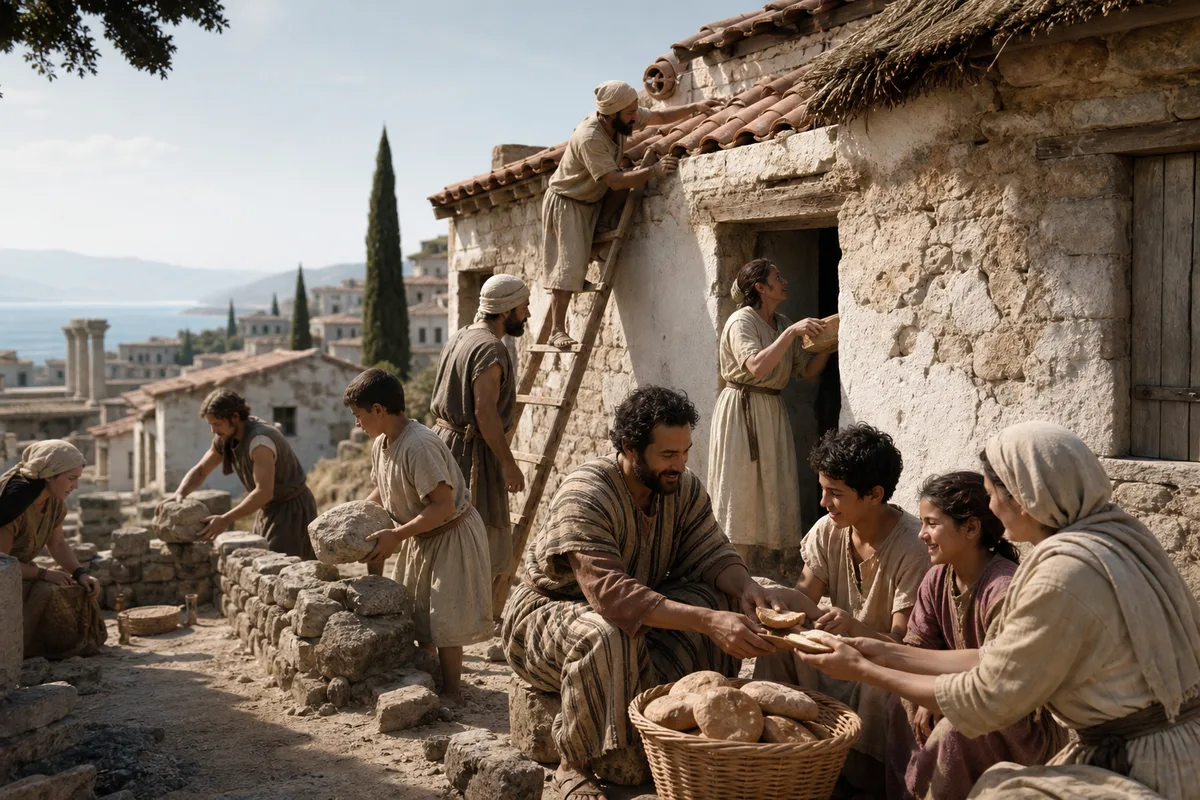
Paul gives three images for the new community. Gentile believers are no longer strangers but fellow citizens with the saints. They are members of God’s household. They are also stones in a growing holy temple.
The foundation is the apostles and prophets, with Christ Jesus as the chief cornerstone. A cornerstone established alignment and stability for the building.
God’s dwelling is now described in terms of a people joined together in Christ by the Spirit. This does not make local church buildings sacred temples in the same sense. The community itself is the dwelling image.
Each believer belongs within a structure larger than private spirituality. Grace creates a family and calls divided people to live in peace.
What Ephesians 2 teaches
The chapter teaches the seriousness of sin, God’s initiative in salvation, the centrality of Christ’s death and resurrection, and the gift nature of grace. Faith receives; it does not boast.
It teaches that works follow salvation. Christians do not help neighbors, tell truth, or practice justice to purchase God’s love. They do these things as people God has made alive.
It also teaches that reconciliation is essential, not optional decoration. Christ did not merely save isolated individuals. He created one people with shared access to the Father.
Questions for personal or group study
- What actions does God take in verses 4–7?
- How do verses 8–10 relate grace, faith, salvation, and works?
- What forms of distance are described in verses 11–12?
- Why is “Christ is our peace” more than a private emotion?
- What would the household and temple images change about your view of church?
Summary
Ephesians 2 begins with people unable to give themselves spiritual life. God acts from rich mercy and great love, making them alive with Christ. Salvation is a gift, so pride is excluded. The saved person is then remade for a faithful life.
The same grace brings outsiders near and forms one reconciled community. The chapter’s message is not “works do not matter.” It is better: works cannot buy grace, but grace creates people who can walk in the good God intends.
Frequently asked questions
Are Christians saved by faith or by grace?
Ephesians says salvation is by grace through faith. Grace describes God’s undeserved gift; faith is the trusting means by which it is received.
Do good works contribute nothing?
They do not earn salvation, but they matter as its intended fruit. Verse ten says believers are created in Christ for good works.
What is the dividing wall?
It represents the hostility and covenant boundary separating Jew and Gentile. Some also connect the image with barriers in the Jerusalem temple, but Paul’s main concern is the division Christ has overcome.